Fuel Volatility & Bunkering Delays — Cutting Cost Without Cutting Corners
The news-style reality (what keeps repeating)
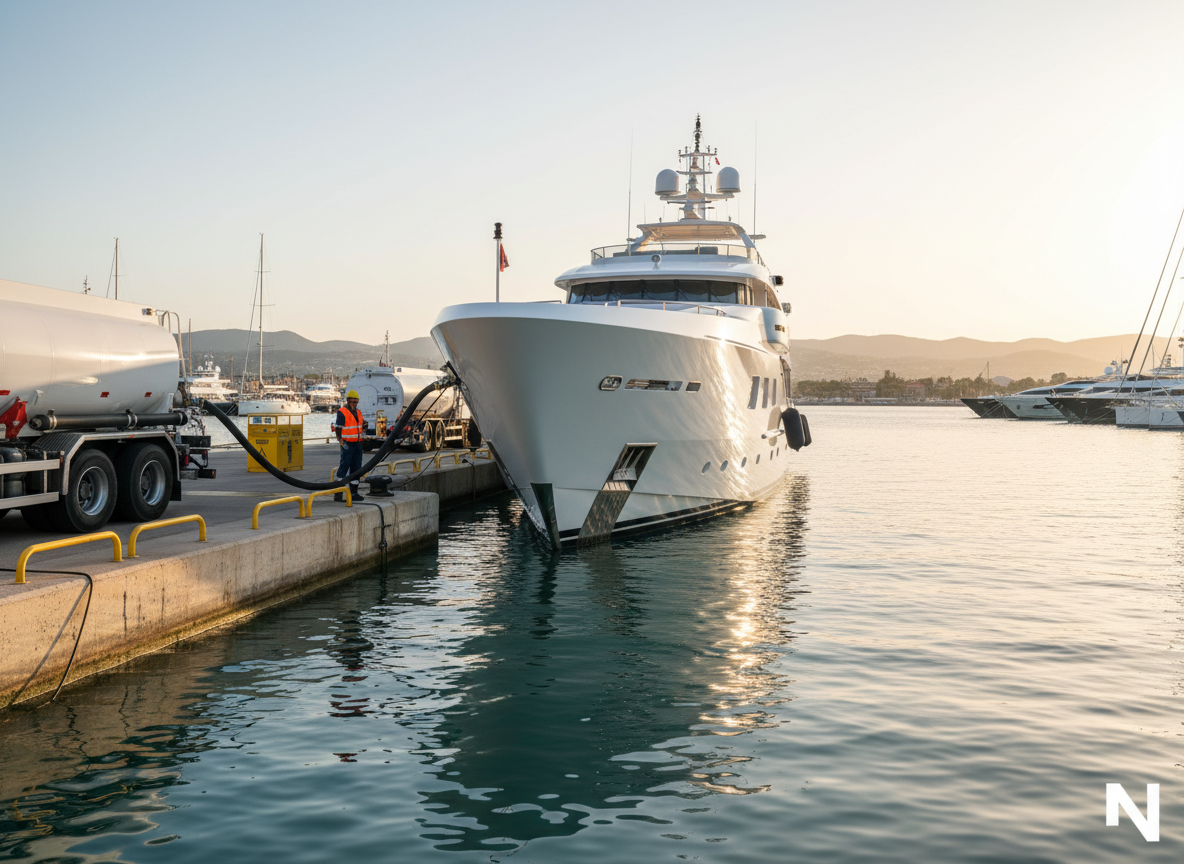
Fuel remains one of the most volatile operational inputs. Prices vary port-to-port, availability shifts during event weeks, and bunkering slots disappear when weather compresses schedules. The result is rushed decisions: last-minute fuel stops, poor timing, and increased risk.
The operational truth is that the best savings rarely come from chasing the cheapest litre. They come from planning and reducing friction.
What it means for captains and owners
A good bunkering plan protects schedule and safety. Captains who plan fuel 2–3 legs ahead avoid emergency bunkers, reduce idle time, and align fuel stops with maintenance and provisioning windows. That keeps the yacht calm and predictable.
Owners benefit because cost control becomes repeatable. Instead of “we paid what we had to,” you can explain the decision and show the operational logic.
What it means for suppliers
Fuel providers and related suppliers (filters, polishing, tank cleaning) benefit from clearer forecasting. When captains communicate volumes, timing, and access constraints early, suppliers allocate staff better and reduce delays.
Suppliers who operate safely and document procedures clearly become preferred partners, especially for professional yachts.
Best practices (this week’s checklist)
- Plan fuel stops 2–3 legs ahead: align with weather, marina access, and guest schedule.
- Confirm fuel dock constraints: hours, hose reach, payment method, and minimum volumes.
- Protect the system: schedule filter checks and consider polishing when quality is uncertain.
- Log consumption: track litres/hour by operating profile to improve forecasts.
- Build a “bunkering pack”: PPE, spill kit checks, and a standard procedure brief.
How the Nautaes marketplace + marine ERP approach helps
The Nautaes marketplace helps captains source trusted providers quickly and coordinate bunkering support services when timing is tight. Instead of relying on whoever answers the phone, you can work with verified operators.
A marine ERP approach ties fuel planning to the wider operation: itinerary, maintenance, invoices, and performance logs. That’s how fuel becomes a managed workflow, not a recurring surprise.
Recommendation (best practice)
Make bunkering boring. The safest, cheapest fuel stop is the one that is planned, confirmed, and documented.
CTA
Use the Nautaes marketplace and run fuel like a marine ERP: forecast, confirm, document, repeat.

Friendly & suitable opinions

Quality work done faster


