YACHT EMERGENCY COMMUNICATIONS AND DISTRESS SIGNALS: COMPREHENSIVE GUIDE
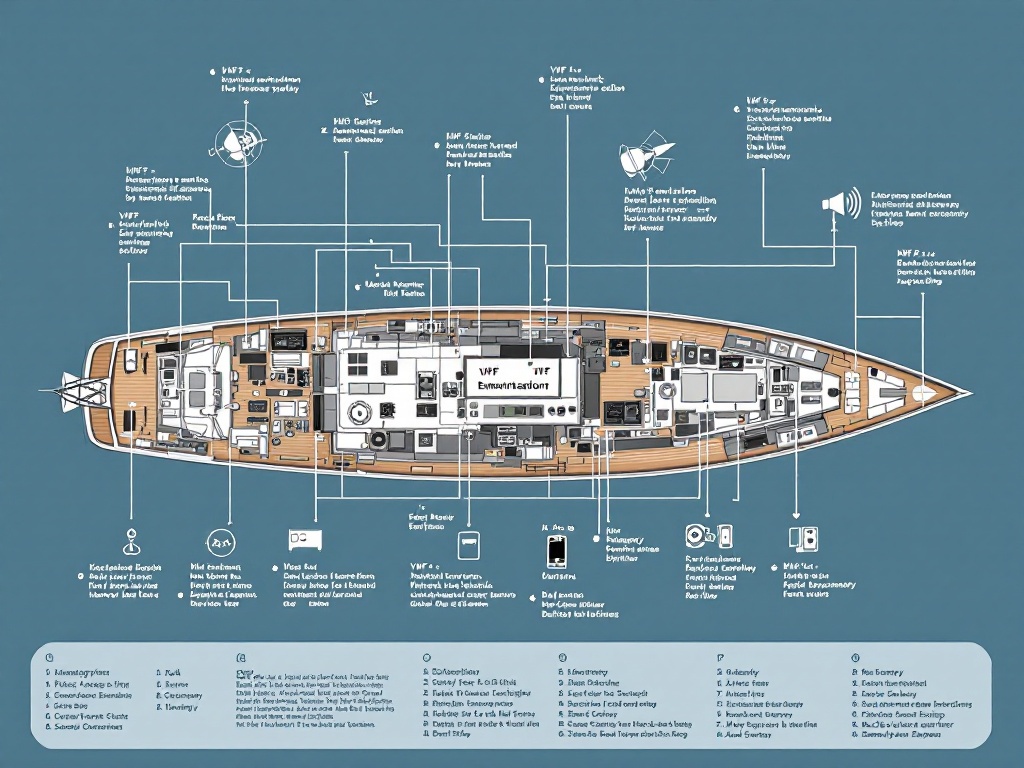
- VHF Radio Systems
- Fixed-Mount VHF Systems:
- ICOM IC-M510 ($500-700) features Class D DSC, GPS integration, and NMEA 2000 connectivity. The system includes advanced noise cancellation and provides clear communication up to 25 nautical miles depending on antenna height and conditions
- Standard Horizon GX6000 ($400-600) offers integrated AIS receiver, dual-channel monitoring, and fog horn capabilities. Installation requires professional mounting, proper antenna placement, and MMSI registration
- Annual maintenance includes antenna inspection, power output verification, and DSC testing costing approximately $150-200. Professional calibration may be required every 2-3 years
- Handheld VHF Units:
- ICOM IC-M94D ($300-400) features built-in GPS, float-and-flash technology, and 6W transmission power. The unit provides up to 10 hours of continuous operation and includes emergency strobe light
- Standard Horizon HX890 ($250-350) includes DSC functionality, GPS, and compass. Waterproof construction allows submersion up to 1.5 meters for 30 minutes
- Battery replacement every 2-3 years costs approximately $50-70, with annual testing required for emergency functions.
- Satellite Communication Systems
- Inmarsat Systems:
- Fleet One Coastal ($3,000-4,000) provides voice and data services up to 100nm offshore. Installation includes stabilized antenna and below-deck unit
- Fleet Broadband FB150 ($5,000-7,000) offers global coverage with voice and data capabilities. Professional installation adds $1,500-2,000 to system cost
- Annual service plans range from $600-2,400 depending on data allowance and voice minutes
- Iridium Systems:
- Iridium GO! ($1,000-1,200) provides global voice and basic data services through smartphone integration
- Iridium Pilot ($4,000-6,000) offers broadband data and multiple voice lines for commercial applications
- Installation costs range from $800-1,500 depending on vessel configuration
- Annual airtime plans start at $500 for basic service up to $5,000 for unlimited data
- Emergency Signaling Devices
- Visual Distress Signals:
- SOLAS approved flare kits ($200-300) include parachute flares, hand flares, and smoke signals
- LED emergency flares ($300-400) provide extended operation without expiration concerns
- Annual inspection required with replacement of expired pyrotechnics
- Storage requirements include waterproof containers in accessible locations
- Sound Signaling:
- Electric horns ($100-150) with automatic fog signals and manual operation
- Compressed air horns ($200-300) for backup emergency signaling
- Annual testing and maintenance required for proper operation
- Spare air canisters or backup power systems recommended
BEST PRACTICES CHECKLIST:
- Daily Checks:
- Test all communication equipment
- Verify battery levels
- Check weather forecasts
- Update position logs
- Verify emergency contact numbers
- Weekly Checks:
- Test backup systems
- Update emergency procedures
- Verify crew certifications
- Check equipment expiration dates
- Review maintenance schedules
- Monthly Checks:
- Conduct full system tests
- Update emergency contact lists
- Review and update procedures
- Conduct crew training
- Inspect all safety equipment
KEY RECOMMENDATIONS:
- Equipment:
- Invest in quality, marine-grade equipment
- Maintain multiple communication methods
- Keep spare parts and batteries on board
- Document all equipment locations
- Regular software updates
- Training:
- Regular crew drills
- Written procedures
- Cross-training of crew
- Documentation of competency
- Emergency scenario practice
- Documentation:
- Maintain detailed logs
- Keep equipment manuals accessible
- Update contact lists regularly
- Document all maintenance
- Keep certification records current


