Port Disruptions & Berth Availability — Staying Operational in Peak Season
The news-style reality (what keeps repeating)
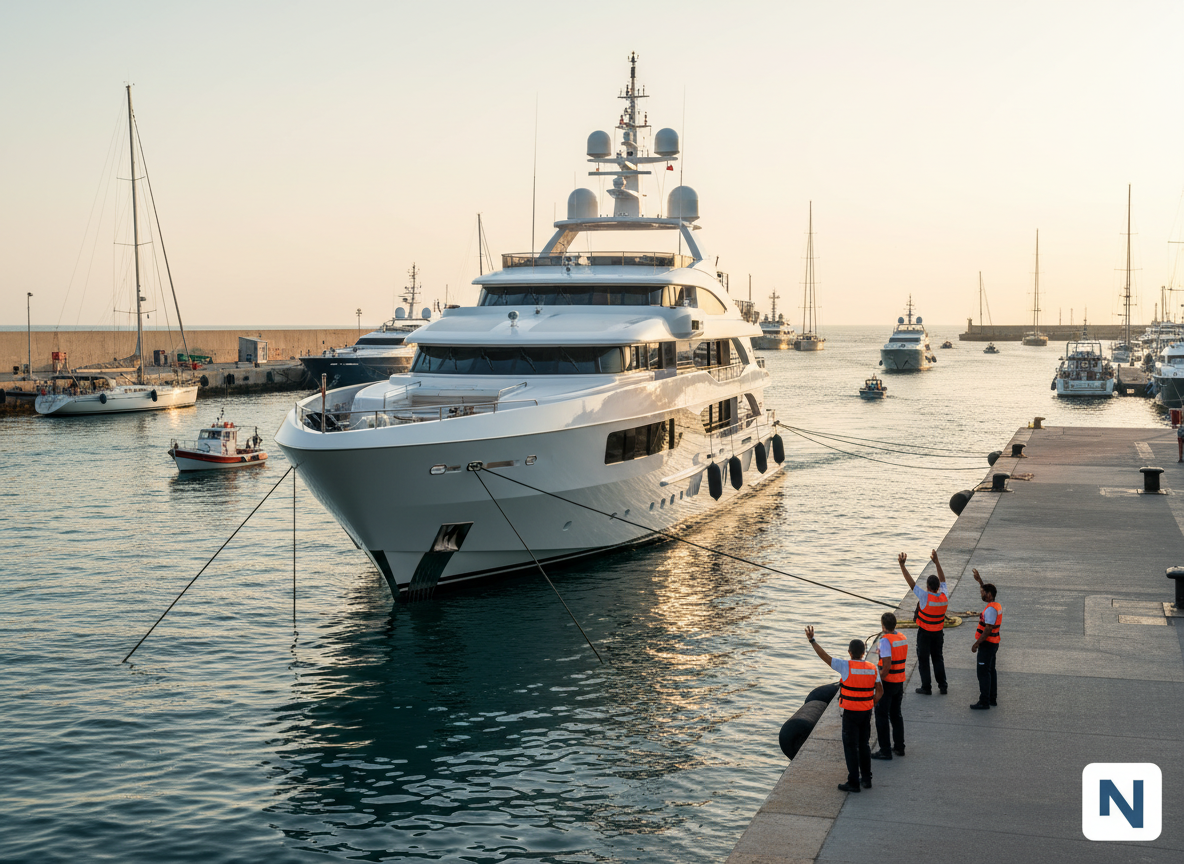
Every season, the same operational story plays out across the Mediterranean. A weather window closes earlier than forecast, a port restricts movements for an event, a marina hits capacity, or a local strike reduces staff and slows turnarounds. None of this is “headline drama” on its own, but for a yacht it’s enough to cascade into missed maintenance slots, delayed guest transfers, and a crew that spends the day firefighting instead of running a clean operation.
The key point: berth availability is no longer a static booking. It’s a live variable that changes with weather, traffic, and local rules. Captains who treat berthing as a real-time workflow (not a one-off email) protect the itinerary and reduce cost.
What it means for captains and owners
When berths tighten, the first impact is time. You lose the easy arrival, the easy shore power connection, the easy waste/water turnaround. Then the second-order effects hit: you compress maintenance into smaller windows, you pay overtime for suppliers who now work late, and you risk guest dissatisfaction when plans shift.
The most effective captains run a rolling operational plan: a primary berth, a realistic overflow berth, and an anchorage option that still allows tenders, provisioning, and crew logistics. They also pre-align the supplier schedule with the fact that ETA is an estimate, not a promise.
What it means for suppliers
Disruption is both opportunity and risk. Demand spikes, but timing becomes unpredictable. A technician booked for 10:00 may be waiting until 16:00, or the yacht may divert to a different marina entirely. Suppliers who win in this environment do three things well: they confirm availability clearly, they communicate constraints early (access, parts, time on site), and they document the job fast so the captain can close the loop.
If you’re a supplier, your “response time + clarity” becomes a competitive advantage. Captains remember who made a chaotic day feel controlled.
Best practices (this week’s checklist)
- Build a Plan B port list for every leg: one primary marina, one overflow marina, one safe anchorage with tender access.
- Confirm berth constraints early: LOA, beam, draft, shore power amps, access hours, and whether fuel/waste is available alongside.
- Pre-book high-impact services: fuel, waste, watermaker parts, and any engineering work that can’t slip.
- Keep a rolling 72-hour ops board: ETA, supplier appointments, guest commitments, and “must-do” maintenance.
- Standardise your arrival message: send the same format to marinas and suppliers so nobody is guessing.
How the Nautaes marketplace + marine ERP approach helps
The Nautaes marketplace reduces the “phone-call spiral” when a plan changes. Captains can post a structured request to verified providers near the current port or the next realistic port, then compare responses based on availability and capability. That alone removes hours of uncertainty.
Then comes the marine ERP mindset: treat each operational need as a tracked workflow. Requests, confirmations, invoices, and service history should be connected so that when the itinerary shifts, you don’t lose the thread. Instead of re-explaining the job to three people in three apps, you keep one operational record and move it with the yacht.
Recommendation (best practice)
Run berthing like engineering: assume change, build redundancy, and document decisions. A captain who can adapt without chaos looks professional to guests, owners, and suppliers.
CTA
If your next port is uncertain, don’t wait until you’re alongside. Post the job on the Nautaes marketplace and run your week like a marine ERP: planned, tracked, and ready to adapt.

Friendly & suitable opinions

Quality work done faster


